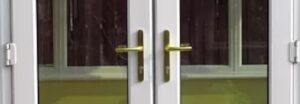
The Art of Door Handle Refurbishment: Revive Your Home's Hardware
Door handles do more than just offer functionality; they are classy accents that contribute to your home's overall aesthetic. Over time, these essential fixtures can reveal indications of wear and tear or may no longer align with your design preferences. Thankfully, door handle refurbishment offers a viable service that integrates visual improvement with cost-effectiveness.
Understanding Door Handle Refurbishment
Door handle refurbishment involves restoring, repairing, or upgrading door handles instead of replacing them totally. This process can be applied to a variety of products, including metal, wood, and plastic. Reconditioning door handles not only revives old components however also helps maintain the integrity of your home's design, especially in older or historical properties.
Why Consider Door Handle Refurbishment?
- Cost-Effectiveness: Purchasing new door handles for an entire home can rapidly become pricey. Reconditioning existing handles is typically substantially less expensive.
- Sustainability: In an age of heightened environmental awareness, refurbishing is a greener option that decreases waste and promotes recycling.
- Preservation of Character: Older homes typically feature unique, vintage hardware. Refurbishing permits house owners to maintain the original character while making sure functionality.
- Improved Value: A well-maintained home, with reconditioned and polished door hardware, can improve residential or commercial property value and interest potential purchasers.
Types of Door Handles That Can Be Refinished
Before diving deep into the refurbishment process, it's important to acknowledge the types of door handles that can typically be brought back. These include:
- Interior Door Handles: Found in bedrooms, restrooms, and closets, these handles usually require less sturdiness than exterior styles but can still benefit considerably from refurbishment.
- Exterior Door Handles: These are more exposed to the aspects and may need extra attention in regards to weatherproofing and durability throughout refurbishing.
- Cabinet Handles: In bathroom and kitchens, cabinet hardware can also be reconditioned to match or match updated decoration.
- Vintage or Antique Handles: Often made from premium materials, these can be reconditioned to restore their initial appeal while maintaining their historical worth.
The Refurbishment Process
Reconditioning door handles usually involves several critical steps:
- Assessment: Inspect the current condition of the handle. Search for signs of rust, broken parts, or structural issues. Evaluate whether the handle is worth reconditioning or much better off changed.
- Disassembly: Carefully take apart the handle and its elements. Monitor small pieces, as losing them can complicate the reassembly procedure.
- Cleaning: Use appropriate cleansing services to remove grime, grease, and rust. For metal handles, a solution of vinegar and baking soda can be reliable, while wood handles might need a different method that protects the finish.
- Repair: Fill any dents or scratches. For metal handles, welding might be necessary, while wood handles may require sanding and refinishing.
- Repainting or Replating: If the handle needs a new color or surface, choose ideal paints or plating products that match your preferred appearance. Guarantee that any surfaces are long lasting and suitable for the handle's exposure to weather.
- Reassembly: Once all repairs and refinishing are complete, reassemble the door handle. Pay attention to the positioning and performance of moving parts.
- Installation: Finally, re-install the handle securely on the door.
Tips for Successful Refurbishment
- Select the Right Tools: Having the proper tools, such as screwdrivers, pliers, sandpaper, paintbrushes, and cleaning up agents, can make a significant distinction in the refurbishment quality.
- Select Quality Materials: When repainting or refinishing, use premium paints or surfaces that will last and endure day-to-day usage.
- Seek Advice From Online Resources: There are numerous videos and posts readily available online that can supply step-by-step directions for particular kinds of door handles.
- Seek Professional Help if Necessary: If a handle is complex or important, think about seeking advice from a professional for help to ensure appropriate care and restoration.
Regularly Asked Questions (FAQs)
Q1: Can all door handles be reconditioned?A1: Most door handles can be reconditioned, however some products or extremely damaged handles may not be practical for restoration. Examine the handle's condition before proceeding.
Q2: How typically should I refurbish my door handles?A2: It depends upon usage and wear. Interior handles may need refurbishment every couple of years, while exterior handles exposed to the components may need more frequent maintenance.
Q3: What completes work best for metal door handles?A3: Stainless steel and brass surfaces are popular for durability. Depending upon your style preference, you might also consider matte or polished choices.
Q4: Is door handle refurbishment a DIY task?A4: Yes, lots of house owners can undertake door handle refurbishment as a DIY project. Nevertheless, for specialized products or historic pieces, professional assistance might be a good idea.
Q5: What is the typical cost of professional door handle refurbishment?A5: Costs differ commonly based on area, products, and complexity, but professional refurbishment can range anywhere from ₤ 50 to ₤ 200 per handle.
Door handle refurbishment is an indispensable practice that extends the life of hardware while boosting a home's appeal and character. With the right tools, materials, and processes, property owners can attain exceptional changes that perfectly blend form and function. Whether handling quick door handle repair or seeking professional support, welcoming refurbishment assists preserve the integrity and charm of your home. Through refurbishment, even the most simple door handle can regain its shine and function as a testament to thoughtful home maintenance.